Urbanization / Economic Inclusion

Economic Inclusion

To foster solutions to enhance access to economic opportunities for underserved communities, fostering inclusive growth and empowering individuals economically

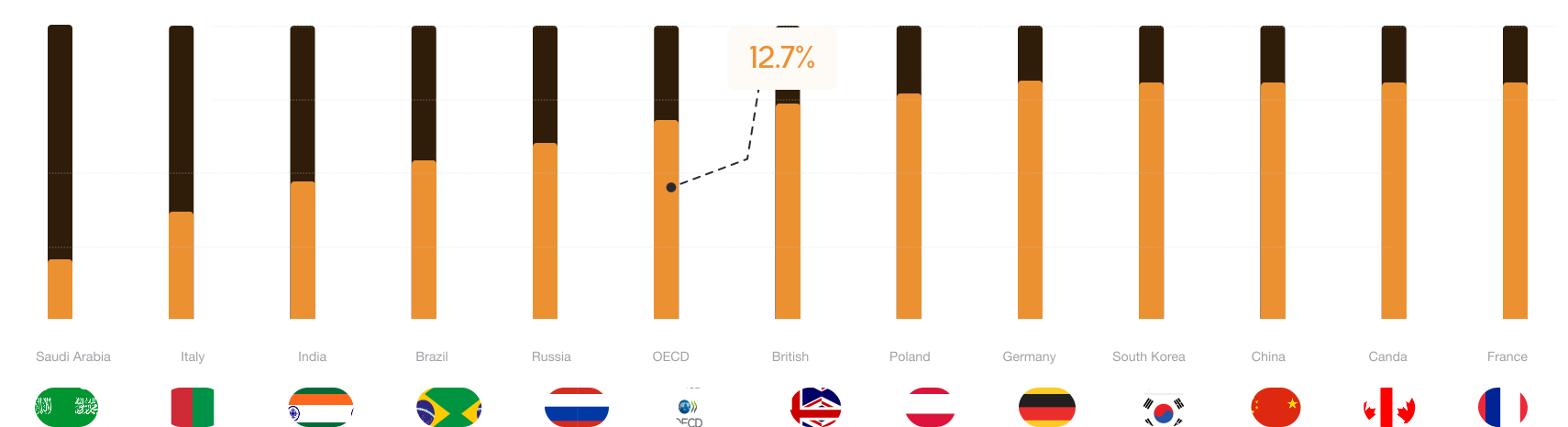
85% of urban areas globally experiencing greater economic inequality than rural regions, as shown by higher Gini coefficient of income inequality, urbanization brings both opportunities and challenges.

Economic Inclusion covers the full lifecycle of an individual’s lifecycle and empower their economic journey.

01

٠١

Upbringing years

Facilitating access to financial services and promoting financial literacy.

02

٠٢

Youth Years

Providing digital access and secure digital identities

03

٠٣

Education Years

Providing access to quality education and vocational training

04

٠٤

Career years

Ensuring inclusive employment standards and workforce participation

05

٠٥

Family years

Guaranteeing affordable access to housing, healthcare, and basic needs

06

٠٦

Prosperity years

Supporting entrepreneurs with access to capital, mentorship, and markets

Key Challenges

Financial Services

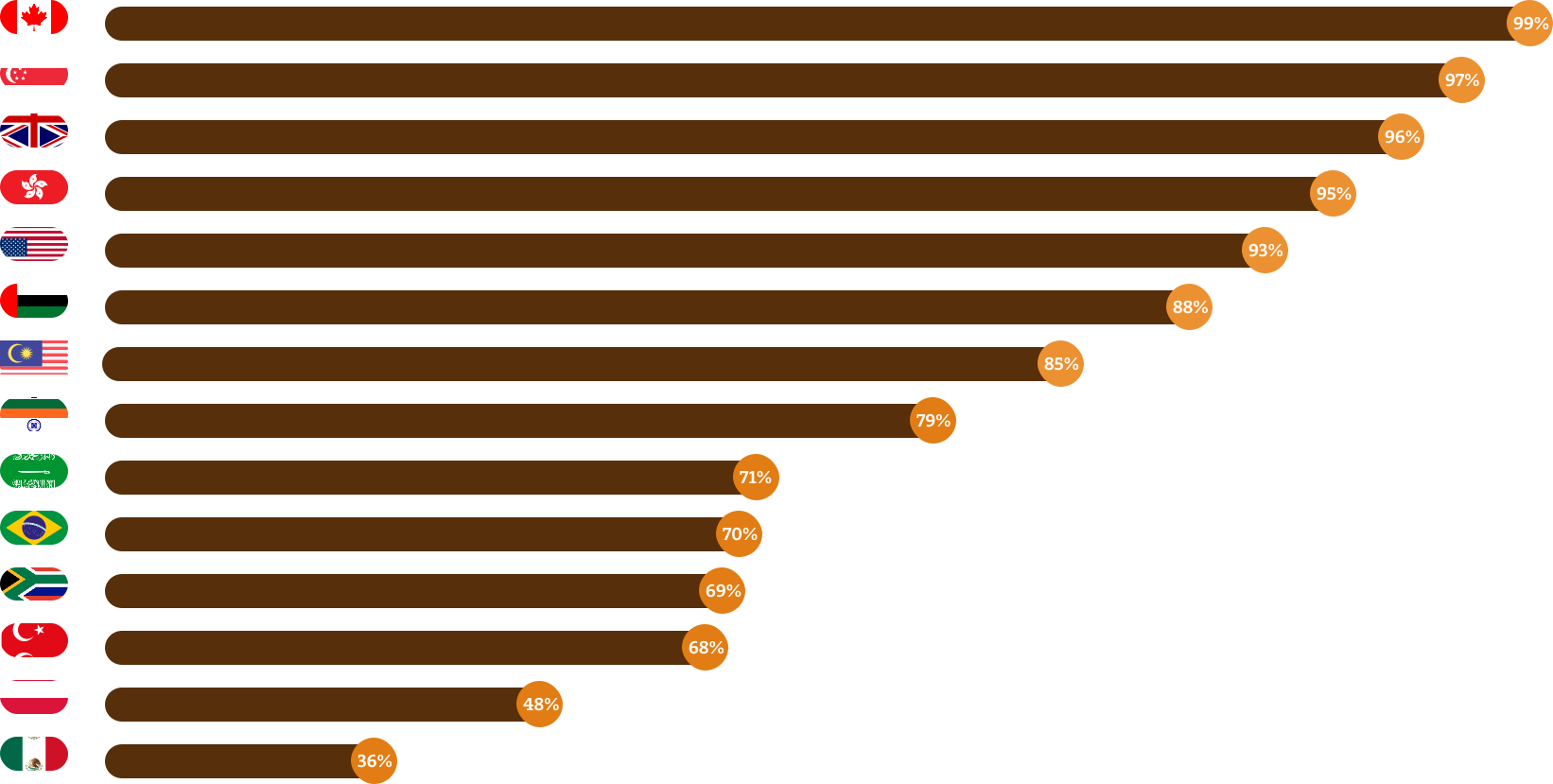
In 2023, about 60% of adults around the world were not financially literate. This means they didn’t fully understand how banking works, how to use financial services, or how to manage a bank account.

Financial Access

As of 2024, 1.4 billion adults around the world still do not have access to banking products.

lack of Education

In 2023, over 250 million children and youth worldwide, aged 6 to 18, were out of school. This significantly limits their future prospects for good jobs and increases their risk of long-term economic exclusion.

Inequality

On average, women globally achieved only 72% of what men did in key human development indicators in 2023, indicating a worldwide gender gap of 28%

Youth & Financial Literacy

In 2023, 16% of youth in Saudi Arabia were unemployed, and only 45% of people met the basic standards for financial literacy.

Women in the Workforce

In 2022, 36% of eligible women in Saudi Arabia participated in the workforce.

Banking Access

Around 74.3% of the population in Saudi Arabia had a bank account. Among those with accounts, 63.5% were women and 81.7% were men.

Economic Inclusion

GRANT OPPORTUNITIES

ARE NOW OPEN FOR ECONOMIC INCLUSION PROGRAMS

King Salman Foundation is funding solutions that empower individuals across every stage of their economic journey, from upbringing to prosperity. Register now to find the grant program that matches your goal.

Explore Grants